Care & Longevity
Your Finish, For Decades
Decorative plaster isn't paint — it's a permanent material that improves with age. Here's how to protect your investment and keep it looking beautiful for years to come.
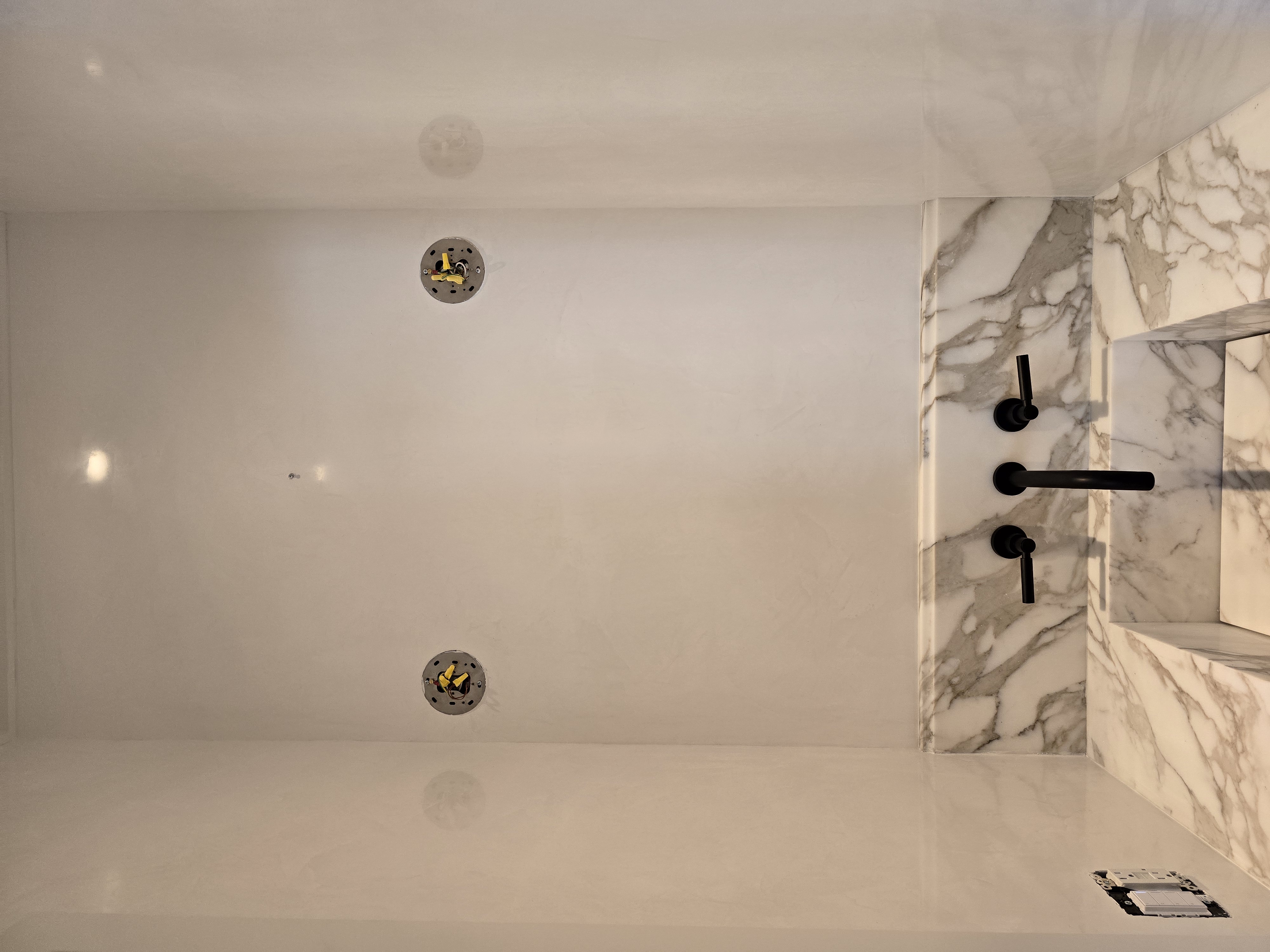
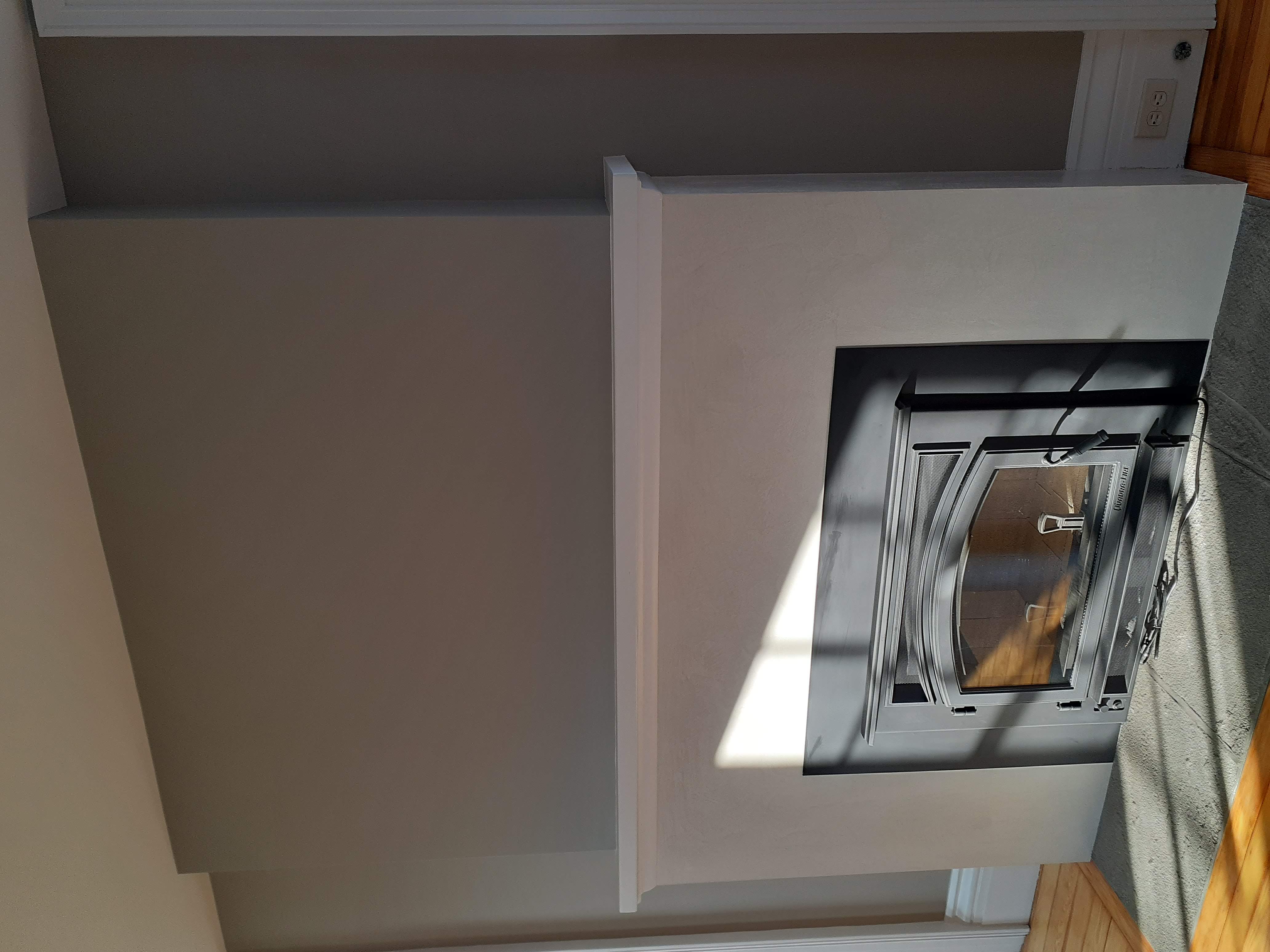
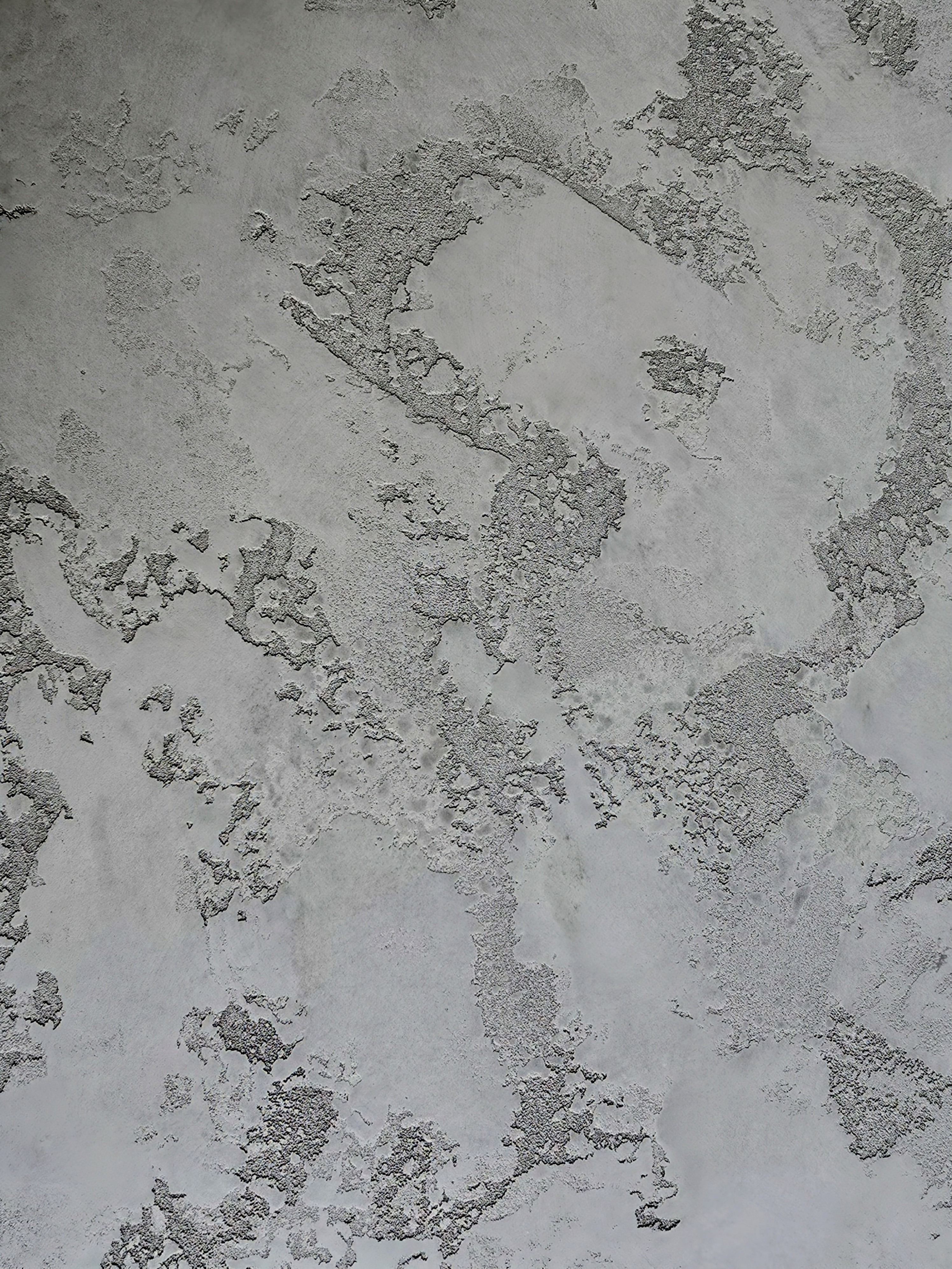
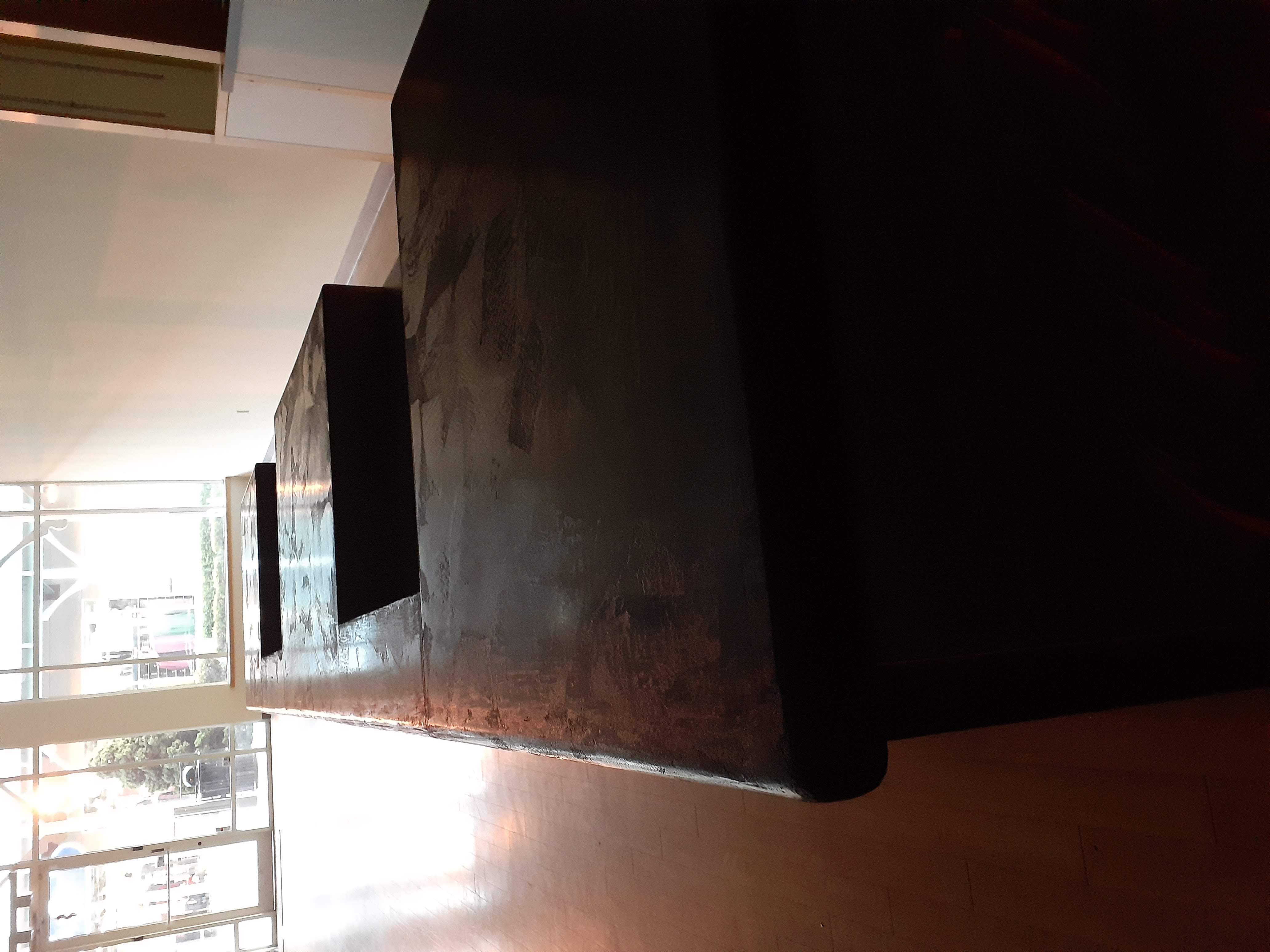
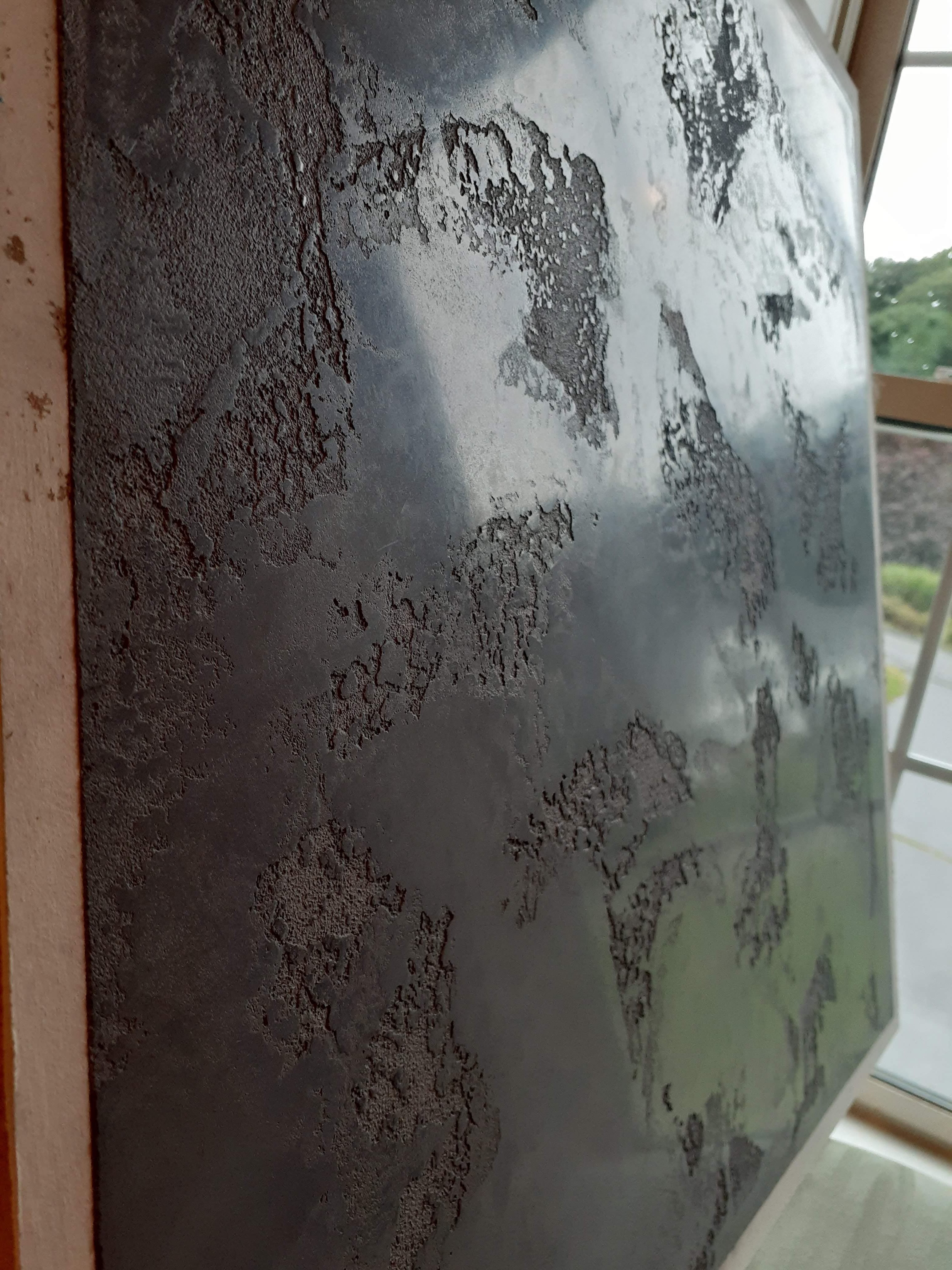
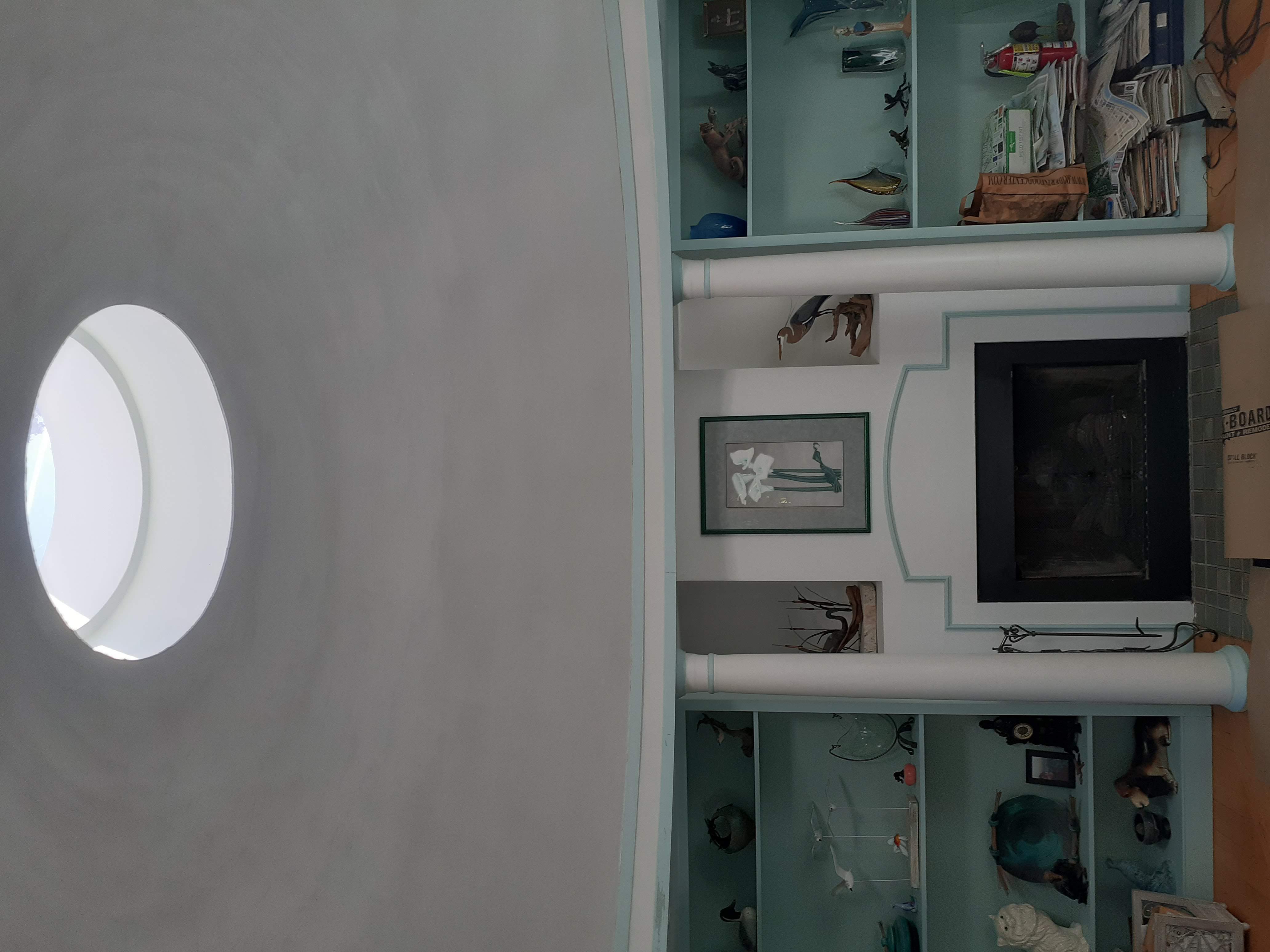
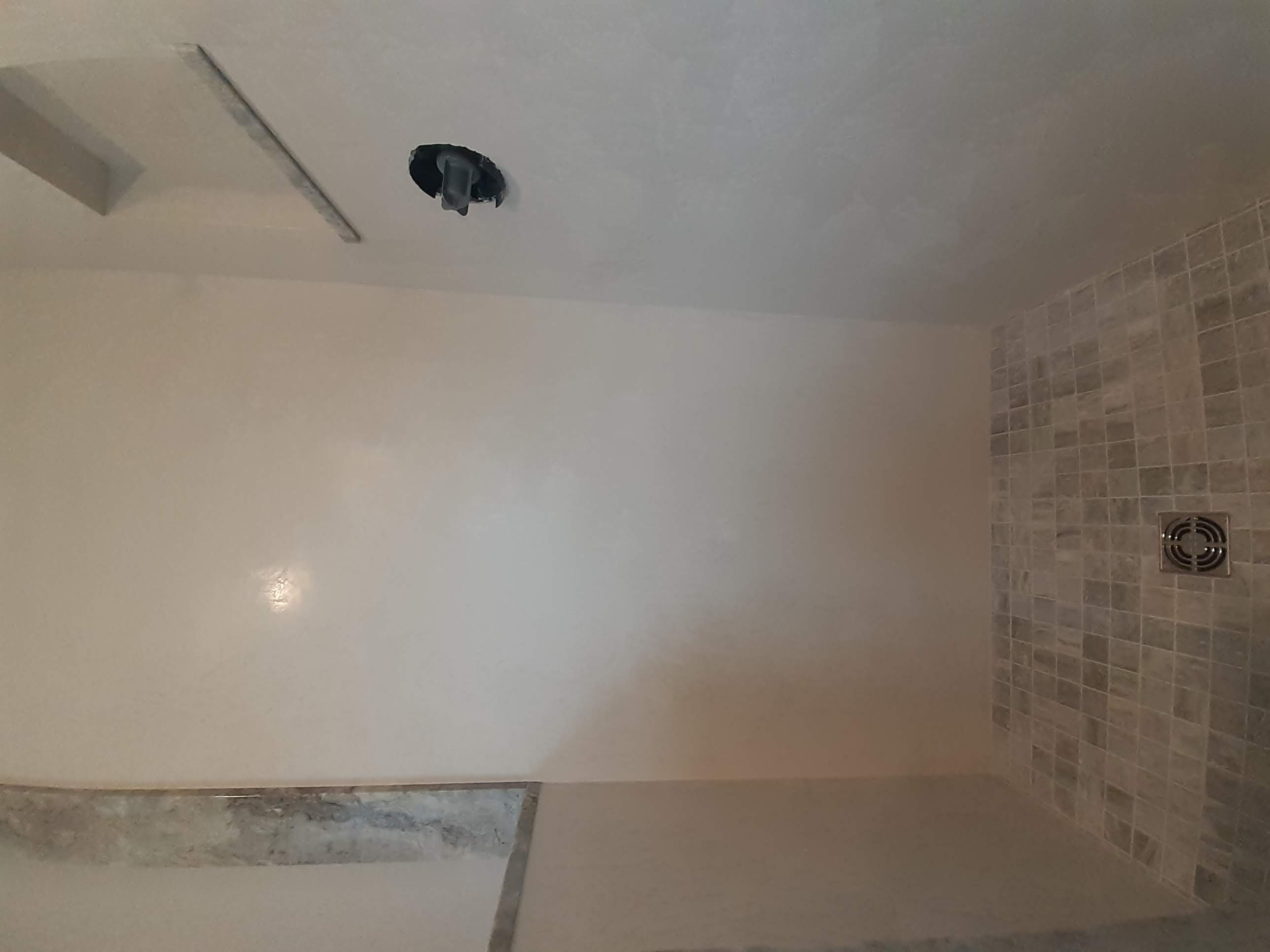
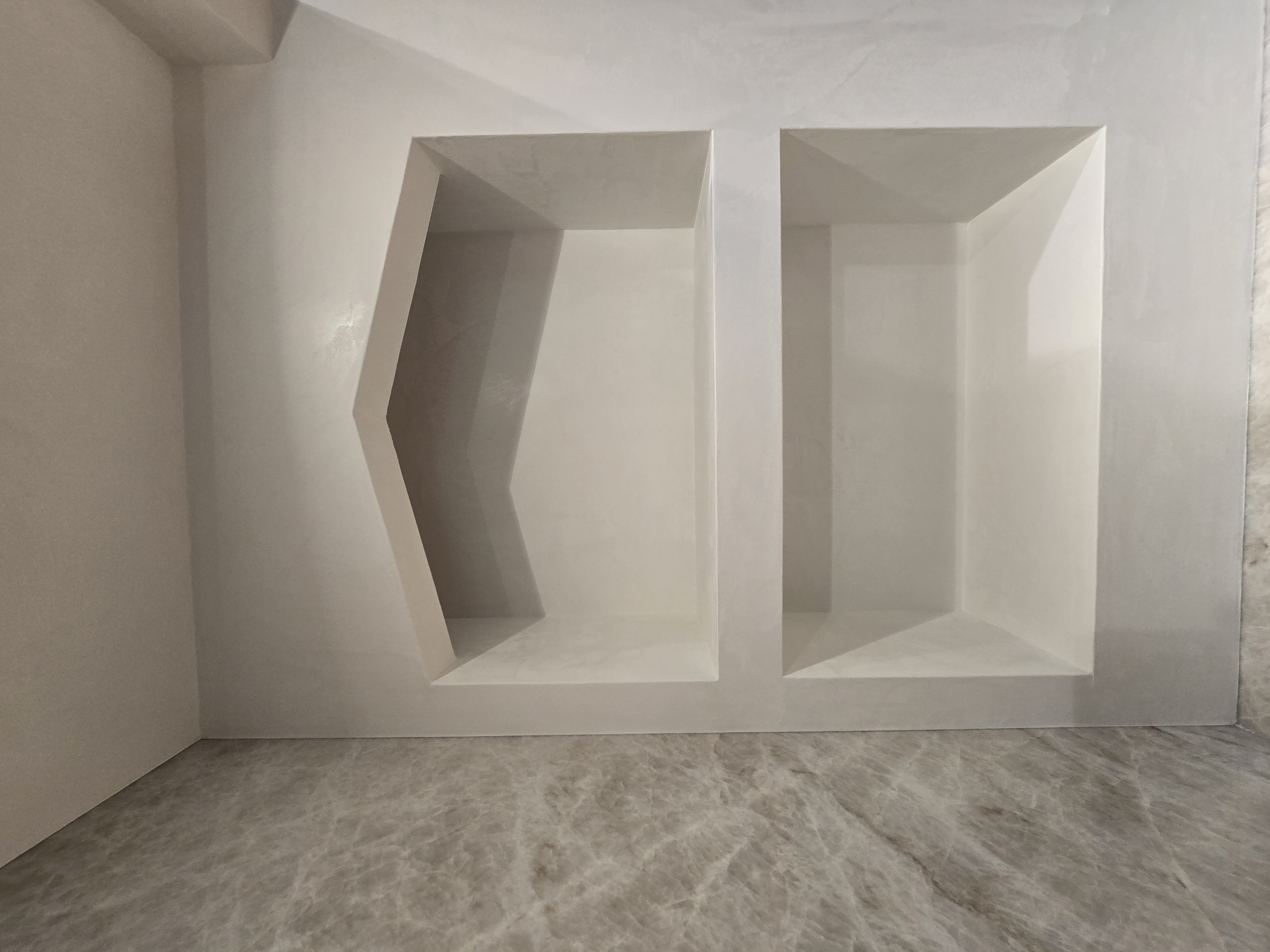
We stand behind every installation. If you have questions about care or need touch-up service, we're here.
Care by Finish Type
Each finish has its own characteristics. Find your finish below for specific guidance.
Venetian Plaster
Mayo Pearl / Louisburgh Silk / Stone Whisper
Daily Care
Dust with soft, dry cloth as needed. Light marks often buff out with gentle pressure.
Cleaning
Dampen a soft cloth with plain water. Wipe gently. Never use harsh chemicals, abrasives, or acidic cleaners.
Long-Term
Polished finishes can be re-waxed every 3-5 years to refresh sheen. Matte finishes require no treatment.
Note: Lime-based plaster is naturally alkaline and antimicrobial. Minor scuffs often "heal" as the lime continues to carbonate.
Limewash
Sea Mist
Daily Care
No regular maintenance required. The finish naturally resists dust and mold.
Cleaning
Spot clean with a damp cloth. For marks, lightly dampen with lime water and allow to dry.
Long-Term
Can be refreshed with an additional thin coat every 5-10 years if desired. The finish improves with age.
Note: Limewash is a living finish — it breathes, regulates humidity, and develops character over time. This is a feature, not a flaw.
Marmorino
Carrara Veil
Daily Care
Wipe with dry or slightly damp cloth.
Cleaning
Clean with damp cloth and mild soap if needed. Rinse with clean water.
Long-Term
Can be sealed for additional protection in high-use areas. Touch-ups blend seamlessly.
Note: More forgiving than polished Venetian. The stone-like surface is naturally durable.
Microcement
Harbor Concrete
Daily Care
Sweep or vacuum floors. Wipe surfaces with damp cloth.
Cleaning
Clean with pH-neutral soap and water. Avoid acidic cleaners (vinegar, citrus).
Long-Term
Reseal every 2-3 years in wet areas, 3-5 years in dry areas. We provide touch-up service.
Note: Microcement is sealed with a protective topcoat. The sealer does the work — the material underneath is protected.
Tadelakt
Moroccan Seal
Daily Care
Rinse with water after use in wet areas. Wipe dry to prevent water spots.
Cleaning
Clean with damp cloth. Avoid abrasives. The olive oil soap burnish can be refreshed periodically.
Long-Term
Re-burnish with olive oil soap annually in wet areas to maintain water resistance.
Note: Traditional tadelakt is waterproof through compression and olive oil soap, not synthetic sealers. It requires slightly more attention than sealed finishes.
The Golden Rules
Always
- Use soft, lint-free cloths
- Test cleaning methods in an inconspicuous area first
- Wipe up spills promptly
- Contact us if you're unsure
Never
- Use abrasive cleaners or scrub pads
- Use acidic products (vinegar, citrus cleaners)
- Use "magic erasers" or melamine foam
- Attempt repairs without consulting us
Common Questions
How long will decorative plaster last?
Properly applied and maintained, decorative plaster lasts indefinitely. We have projects from our first years still looking beautiful. The key is correct substrate preparation and appropriate finish selection for the environment.
Can decorative plaster be repaired if damaged?
Yes. Most damage can be repaired seamlessly by a skilled applicator. We offer touch-up service for all our installations and can address chips, cracks, or wear.
Is decorative plaster suitable for high-humidity areas?
It depends on the finish. Microcement and Tadelakt are designed for wet areas. Lime-based finishes actually benefit from some humidity — they breathe and regulate moisture. However, direct water contact on unsealed Venetian plaster is not recommended.
What about children and pets?
Our finishes are durable and many are more forgiving than painted walls. Microcement in particular is extremely resilient. For homes with active families, we recommend matte or satin finishes that hide minor imperfections better than high-polish surfaces.
Are your finishes safe? What about VOCs?
Our lime-based plasters are made from natural materials: slaked lime, marble dust, and natural pigments. They're naturally low-VOC and continue to absorb CO2 as they cure. Microcement contains Portland cement and requires sealing, but we use low-VOC sealers. We're happy to discuss specific material choices for chemically sensitive clients.
How do I clean marks off my walls?
For most marks: dampen a soft cloth with plain water and wipe gently. For stubborn marks on sealed surfaces (microcement): use mild soap and water. Never use abrasive cleaners, magic erasers, or acidic products on any decorative plaster.
Need Touch-Up or Repair?
We provide touch-up service for all our installations. Whether it's a small chip from moving furniture or wear in a high-traffic area, we can restore your finish.
Request Touch-Up Service