Before the Finish
Wall Preparation
What lives under the paint determines the success of decorative plaster. Substrate condition is why estimates vary — and why proper preparation is non-negotiable.
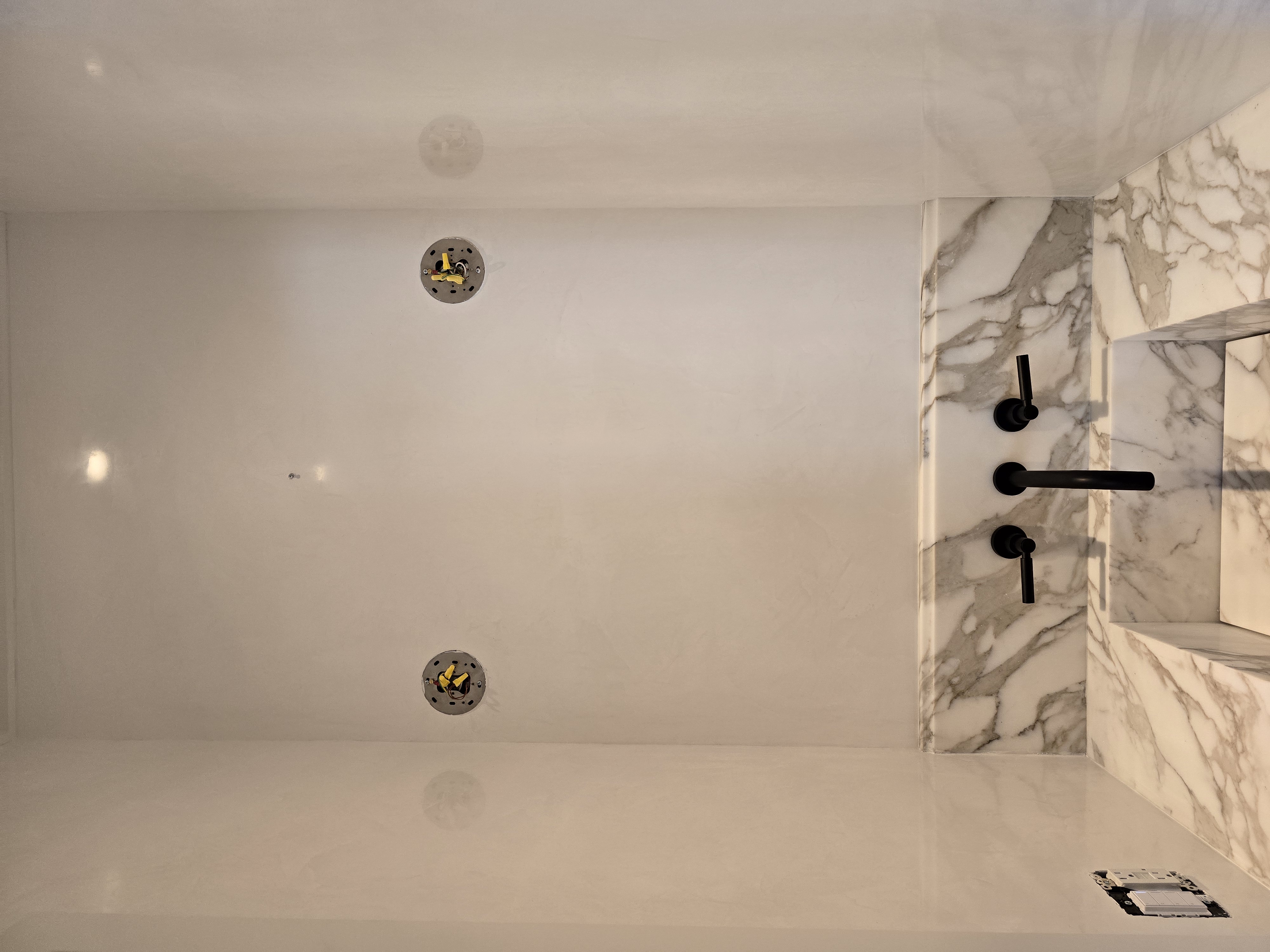
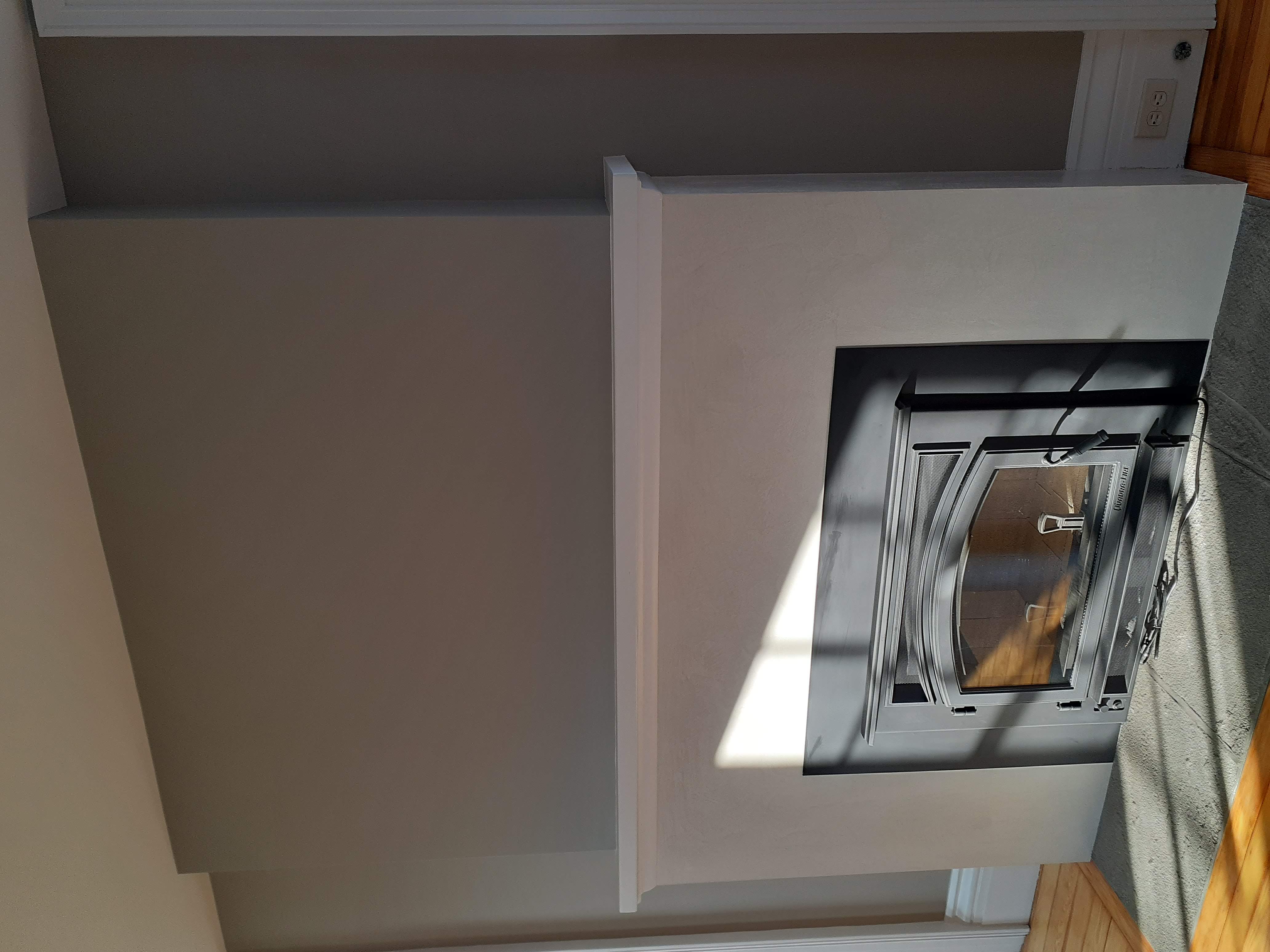
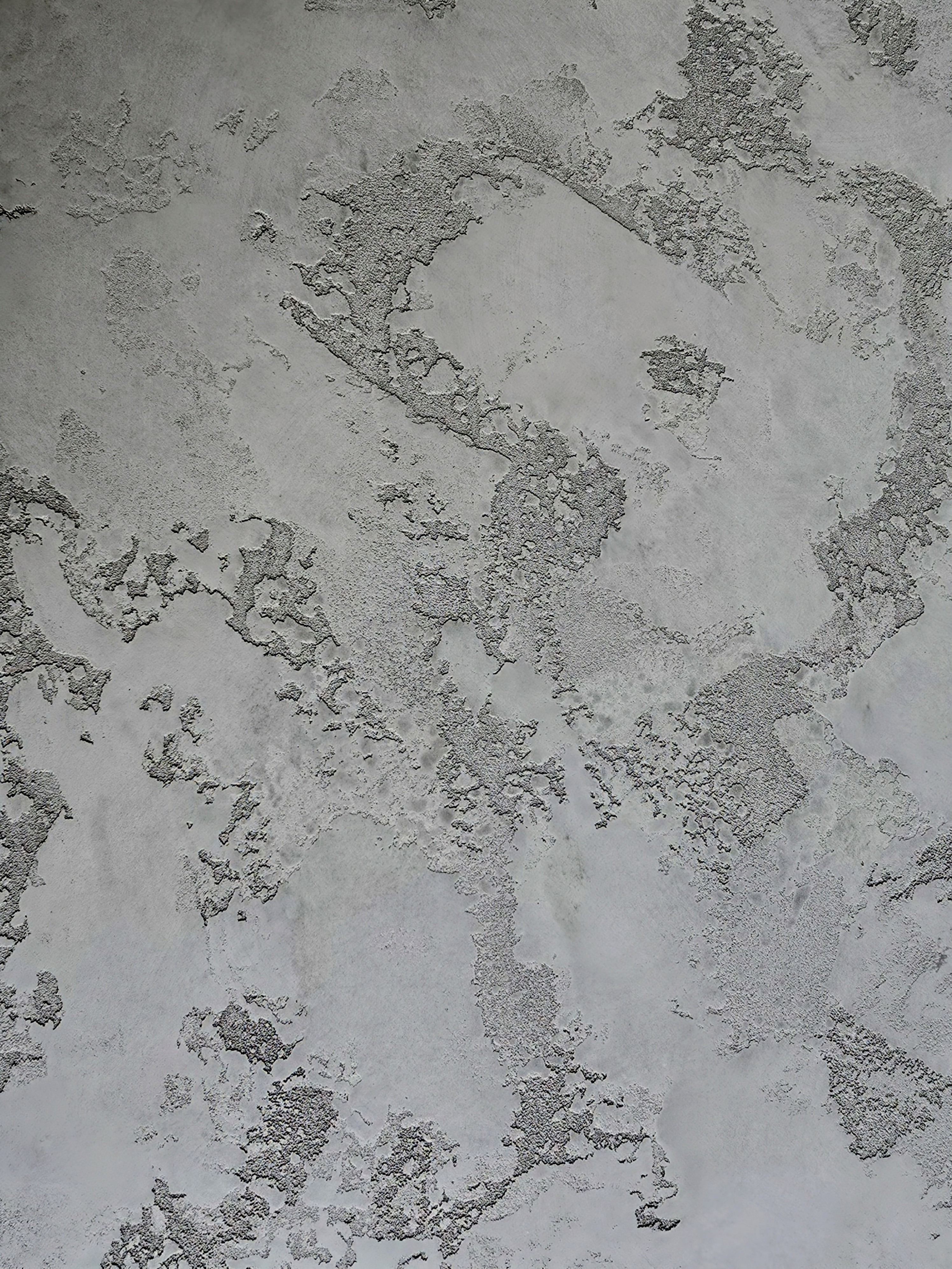
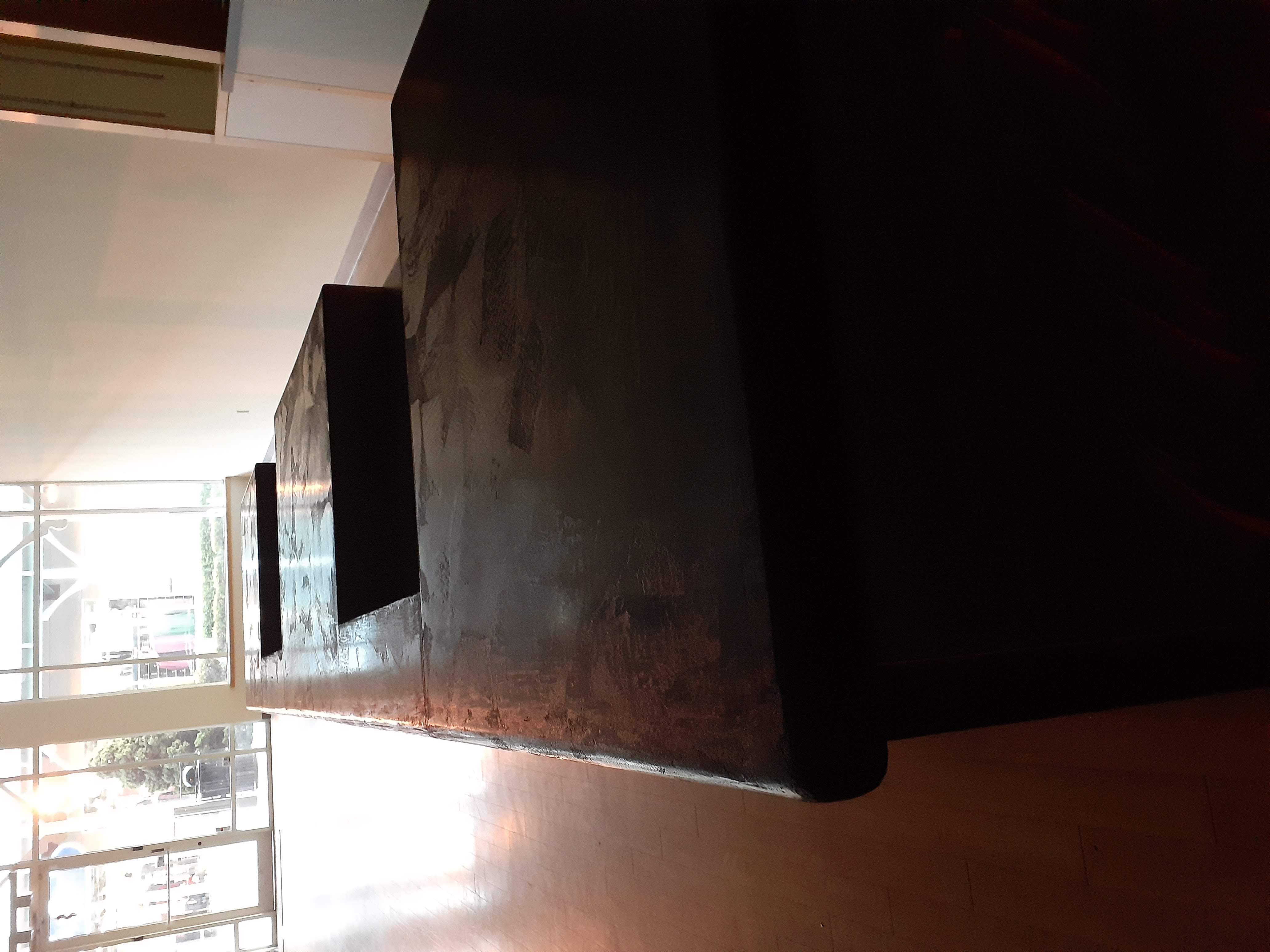
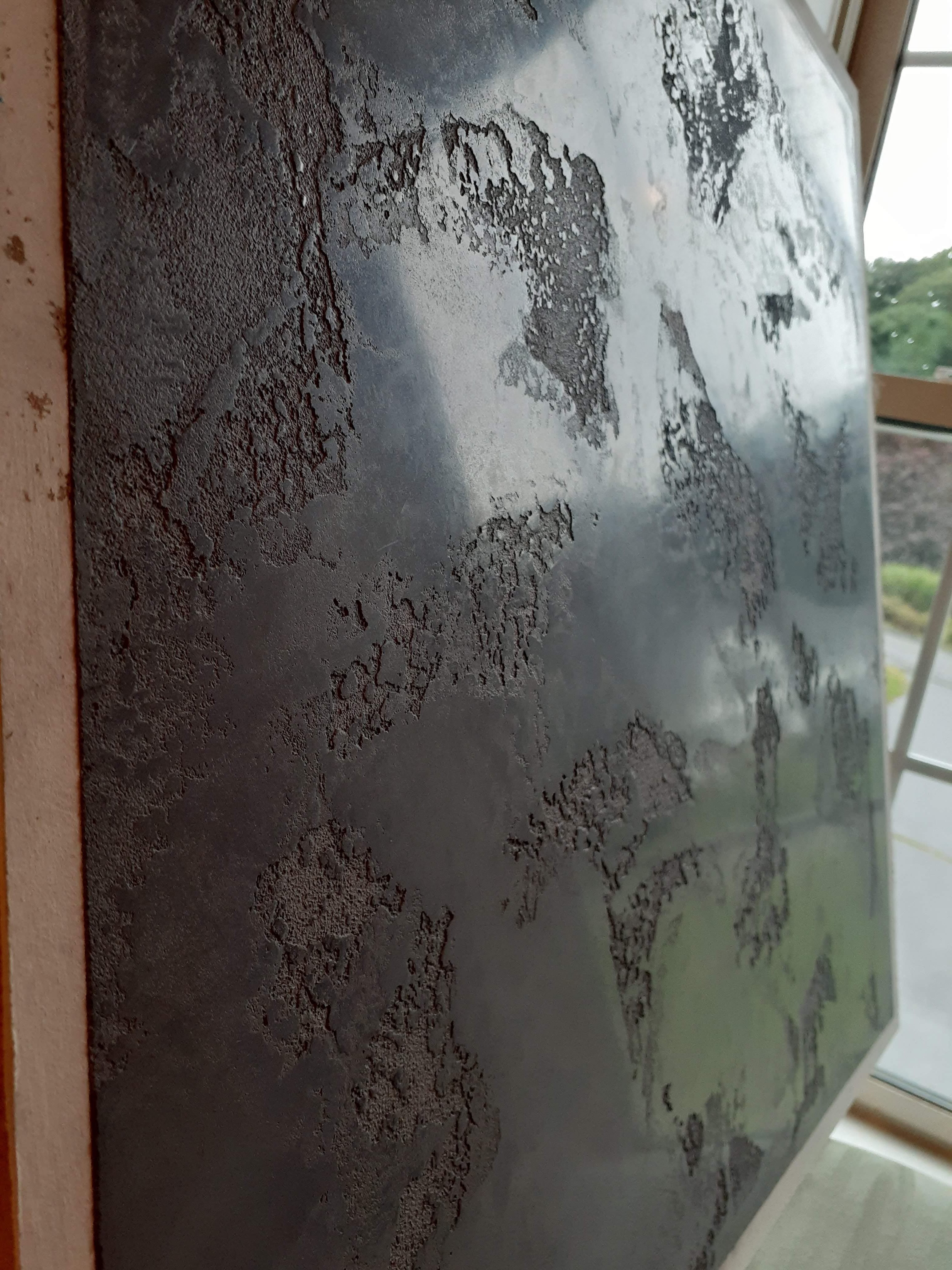
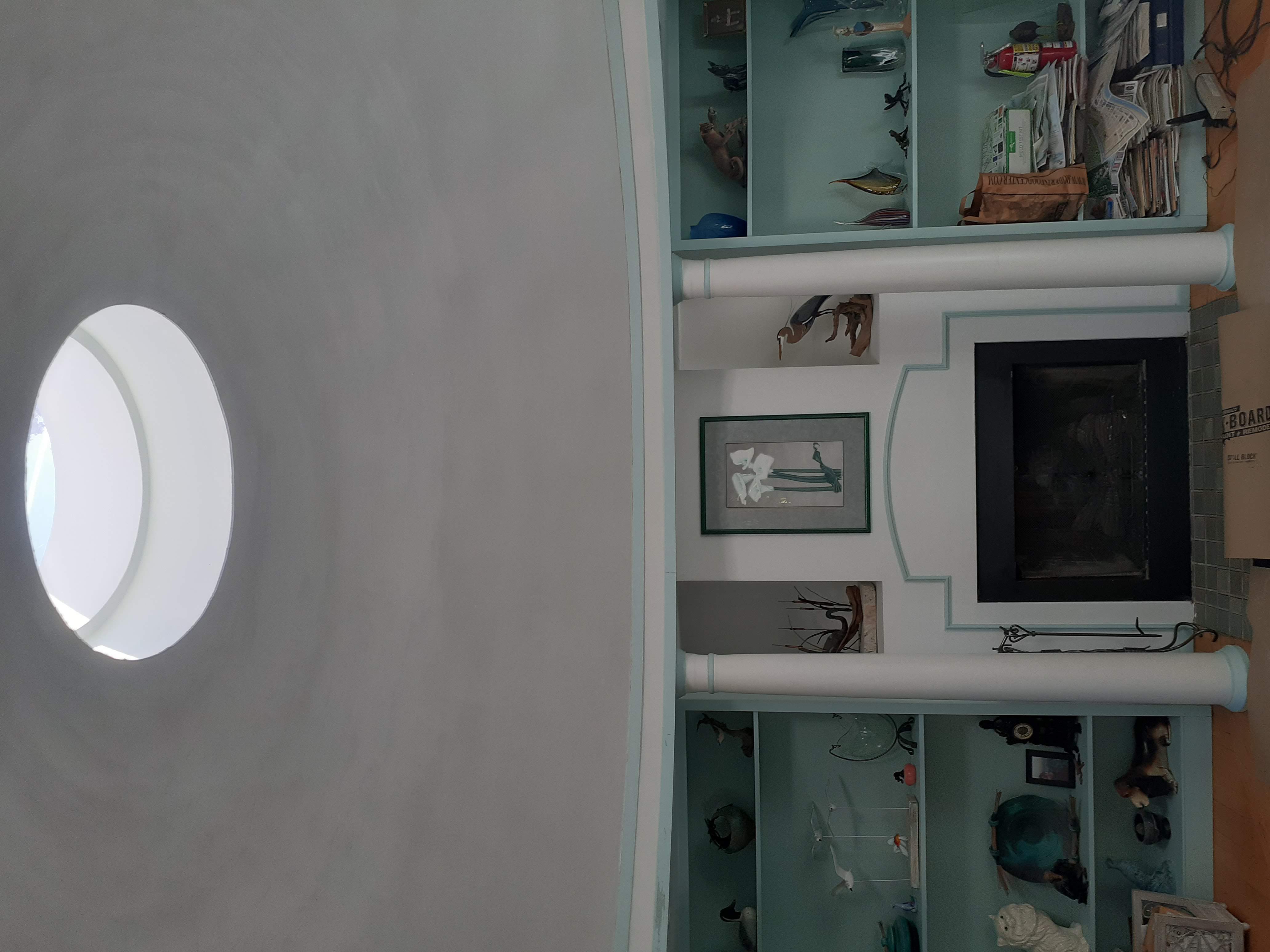
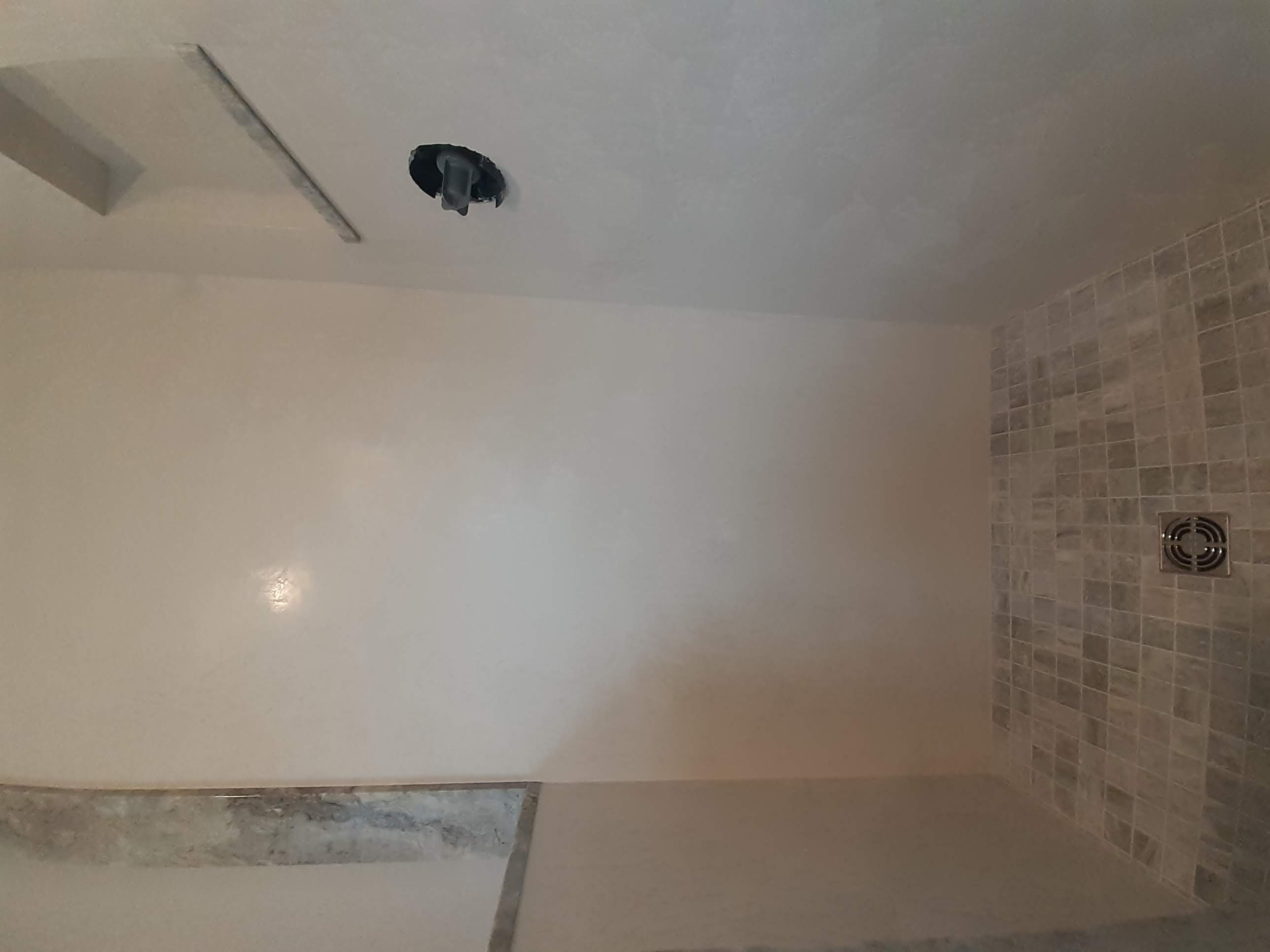
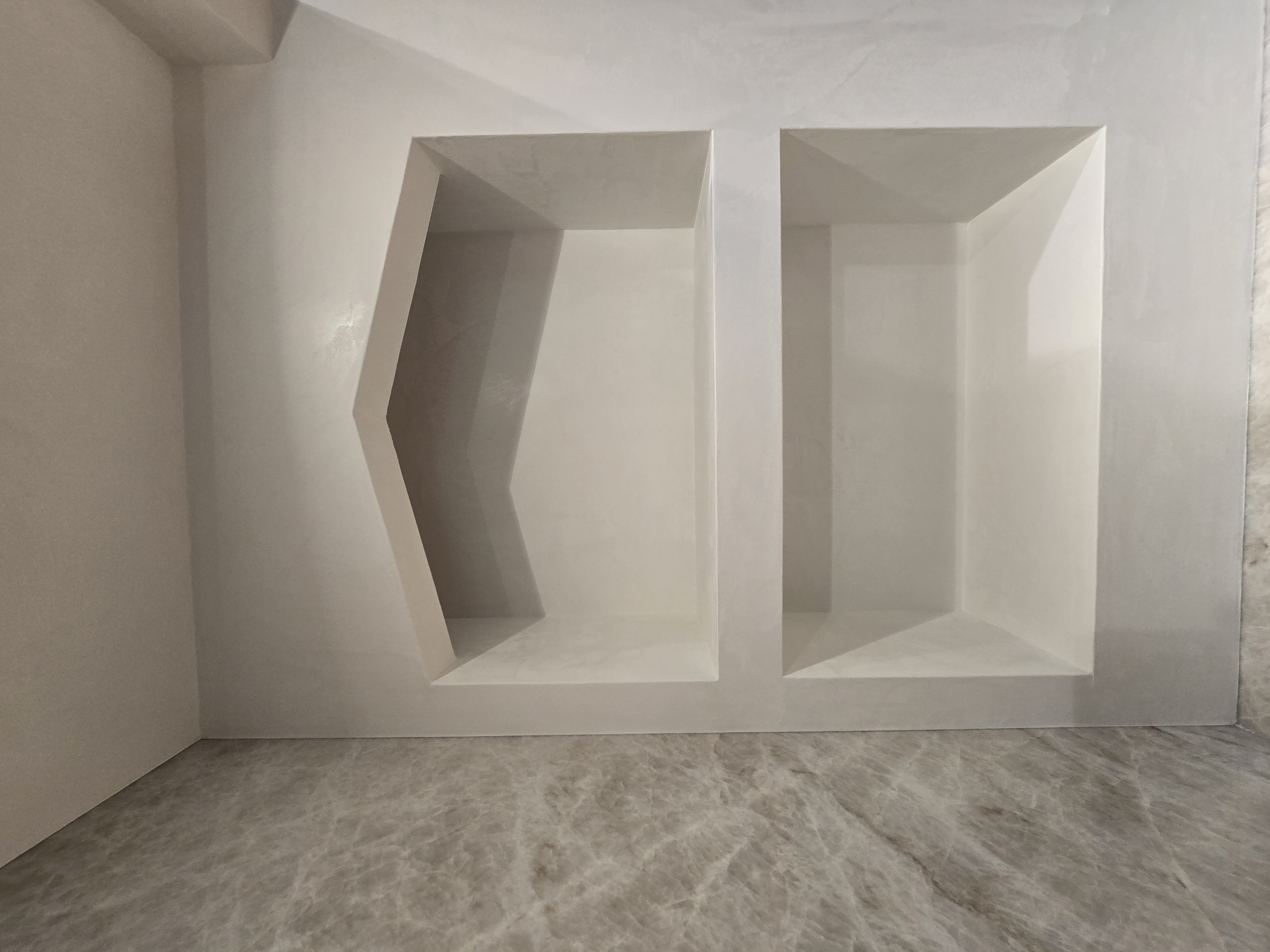
Decorative plaster reveals everything beneath it. Imperfections, texture variations, substrate failures — they all telegraph through the finish. This is why we assess substrate condition before quoting, and why preparation costs vary significantly between projects.
Substrate Assessment
Know Your Walls
Each substrate type has specific requirements. These cannot be shortcut.
New Drywall
StandardLevel 5 Finish
Standard drywall joints and texture are visible through decorative plaster. Level 5 skim coating creates the uniform surface these finishes demand.
- — Must be primed and fully cured
- — All joints taped and mudded to Level 5
- — No texture — smooth finish only
- — Minimum 2 weeks cure time after final coat
Existing Plaster
VariableCondition Assessment
Historic plaster can be an excellent substrate — or a liability. The difference is condition. Loose, cracked, or hollow plaster must be addressed before any decorative work begins.
- — Sounding test for delamination
- — Crack evaluation: structural vs. surface
- — Lead paint testing for pre-1978 surfaces
- — Adhesion testing in multiple locations
Painted Surfaces
Moderate to ExtensiveAdhesion Protocol
What lives under the paint determines everything. Glossy finishes, multiple paint layers, or failing coatings must be removed or treated for proper adhesion.
- — Gloss paints require full removal or aggressive sanding
- — Lead testing mandatory for older homes
- — Delaminating paint must be scraped to stable substrate
- — Oil-based paints require special bonding agents
Concrete & Masonry
ExtensiveMoisture Management
Concrete and block absorb and release moisture. Without proper sealing and bonding, decorative plaster will fail. This substrate requires the most rigorous preparation.
- — Moisture testing before any work
- — Efflorescence treatment if present
- — Bonding agent application
- — Often requires base coat system
Foundation Systems
Base Coat Options
The base coat bridges substrate and finish. The right system depends on what we find.
Standard Base Coat
A preparatory layer that creates uniform suction and provides a stable foundation for decorative finishes. Appropriate for substrates in good condition.
When Required
- Level 5 drywall in good condition
- Sound existing plaster
- Properly prepared painted surfaces
- Single-room projects
Characteristics
- — Applied in 1-2 coats
- — 24-48 hour cure between coats
- — Creates uniform surface texture
- — Standard preparation included in most estimates
Imperial Base Coat
A reinforced, multi-layer base system for challenging substrates. Uses fiber mesh, specialized bonding agents, and extended cure times to ensure long-term performance.
When Required
- Substrates with movement or hairline cracks
- Concrete or masonry walls
- Historic plaster being overlaid
- High-humidity environments
- Projects requiring warranty on substrate performance
Characteristics
- — Applied in 3+ coats with fiber reinforcement
- — Full cure time: 5-7 days
- — Addresses substrate deficiencies
- — Additional cost — quoted separately based on conditions
Problem Conditions
Common Challenges
These conditions affect every estimate. Some can be addressed. Some must be resolved by others first.
Moisture Issues
Active moisture destroys decorative plaster. Source must be identified and resolved before any work begins.
Action: Moisture testing required. Remediation by others before plastering.
Movement Cracks
Cracks that return after repair indicate structural movement. Decorative plaster will crack in the same locations.
Action: Assessment required. May need fiber-reinforced base coat or crack isolation membrane.
Wallpaper Removal
Adhesive residue and damaged paper facing affect plaster adhesion. Complete removal and surface restoration required.
Action: Full stripping to stable substrate. Often requires skim coat before decorative work.
Lead Paint
Pre-1978 surfaces may contain lead. Disturbance creates hazardous dust. We are EPA Lead-Safe Certified.
Action: Testing required. Lead-safe work practices add time and cost. Non-negotiable.
Textured Surfaces
Knockdown, orange peel, and popcorn textures must be fully removed. Decorative plaster cannot hide underlying texture.
Action: Complete texture removal and skim coating to Level 5.
Project Context
New Construction vs. Renovation
New Construction
- 01
Coordinate with drywall contractor
Level 5 finish must be specified in advance
- 02
Schedule after mechanical rough-in
HVAC, electrical, and plumbing complete
- 03
Allow cure time before other finishes
Plaster must cure before cabinetry, trim, flooring
- 04
Climate control required
Consistent temperature and humidity during application
Renovation
- 01
Site visit required before quote
Substrate condition determines scope
- 02
Unknowns revealed during prep
Estimates may adjust based on what we find
- 03
Protection of existing finishes
Floors, trim, and adjacent surfaces masked
- 04
Lead testing for pre-1978 homes
Required before any surface disturbance
Documentation
Preparation in Practice
Every project is documented. These images show the reality of substrate preparation — the work that happens before the finish.
Questions About Your Walls?
Substrate condition is best assessed in person. Schedule a consultation and we'll evaluate what your walls need.